
In all religions, there is always a focal point to ensure that the faith continues and grows in the future. In Hinduism, temples perform a vital role in acting as a focal point in the sampraday. Lord Swaminarayan recognised that temples would be vital to ensure that the sampraday grew far and wide.
To prevent His devotees from straying away from religion and to keep everyone devoted to Him, Lord Swaminarayan thought of two things. Firstly, to build temples and install idols of Lord Shree Krishna and Himself as Lord Shree HariKrishna Maharaj. Secondly, to write scriptures to reveal the greatness of the Swaminarayan Sampraday.
A man however great or intelligent cannot meditate calmly in the home. The reason is simple, there are many material objects and thoughts in the home that will distract one's devotion. There is a traditional saying that performing one mala at the temple will give the same fruits as doing one hundred malas at home. This illustrates how important temples are in our sampraday.
Lord Himself installed the murtis at the temples that He constructed. After His departure to Akshardham, as Lord had stated that Acharyas should install murtis of God with Vedic mantras and ceremonies. People achieve great inspiration and pleasure whilst worshipping God with great saints and other devotees in the temple. For these reasons, temples are a necessity in the life of a satsangi. Lord Swaminarayan had six temples constructed in His divine presence.


Ahmedabad
Ahmedabad was the first temple to be constructed. An English collector gave the land during the British Raj. The deed document was transcribed on to a copper plate, stating that the land would remain under ownership of the Swaminarayan Sampraday for all time. Anandanand Swami designed the structure of the temple. Lord Swaminarayan Himself installed the images of Lord NarNarayan Dev.
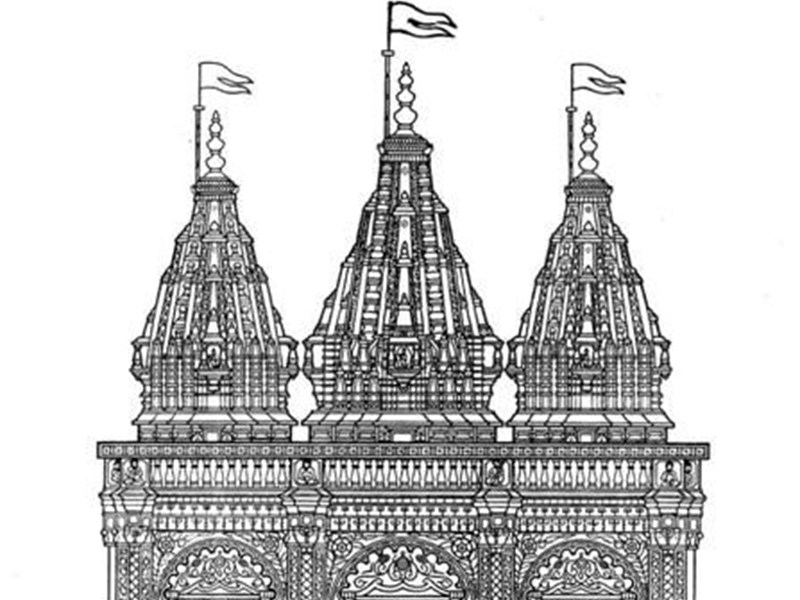
Bhuj
The devotees living in Bhuj including Gangaram Mull, Sundarji Suthar and Hirji Suthar requested Lord to construct a temple at Bhuj. Lord instructed Vaishnavanand Swami to construct the temple and again Lord himself installed the murti of Lord NarNarayan Dev in Bhuj.

Vadtal
Devotees of Vadtal including Joban Pagi, Kuberbhai Patel and Ranchodbhai Patel requested Lord to build a huge temple at Vadtal. Brahmanand Swami and Aksharanand Swami designed the Vadtal temple. Lord Swaminarayan Himself helped in the construction of the Vadtal temple by carrying stones to the site. Lord installed Shree LaxmiNarayan Dev, Shree Ranchodrai Dev and Shree HariKrishna Maharaj (image of Himself) with Shree RadhaKrishna Dev.
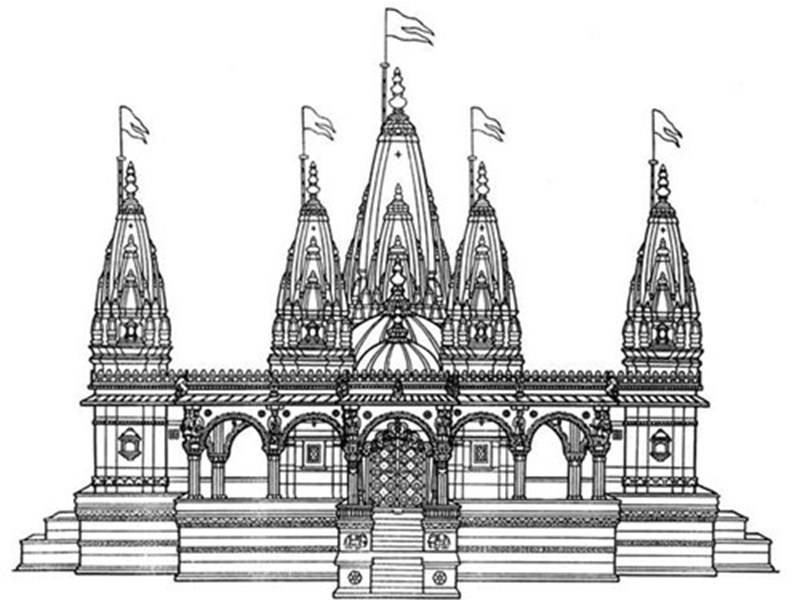
Dholera
Punjaji Darbar of Dholera urged Lord to construct a temple in Dholera. Nishkulanand Swami and Adbhutanand Swami constructed the temple. Lord Swaminarayan installed Shree MadanMohan Dev and Radhikaji.
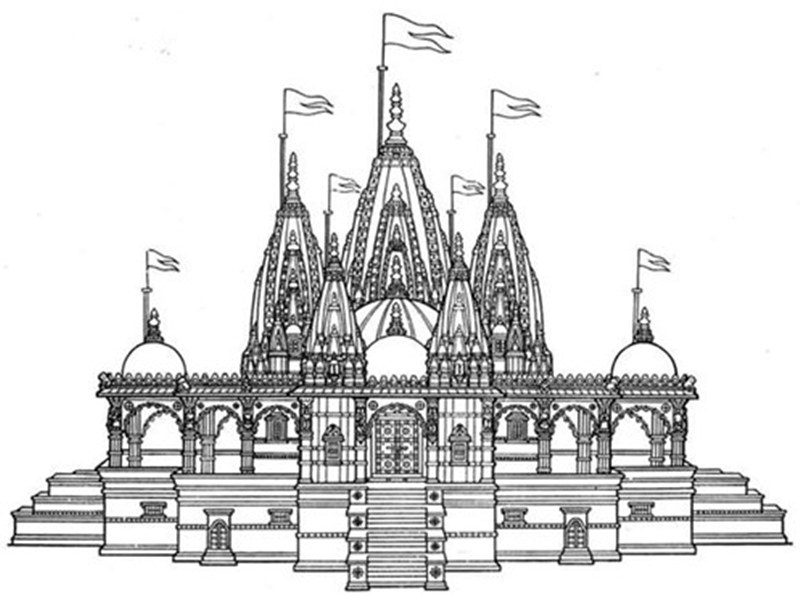
Junagadh
Lord constructed a huge temple at Junagadh on land presented by Jinabhai (Hematsinh) Darbar of Panchala. Brahmanand Swami constructed the temple and Lord installed Shree RadhaRaman Dev.
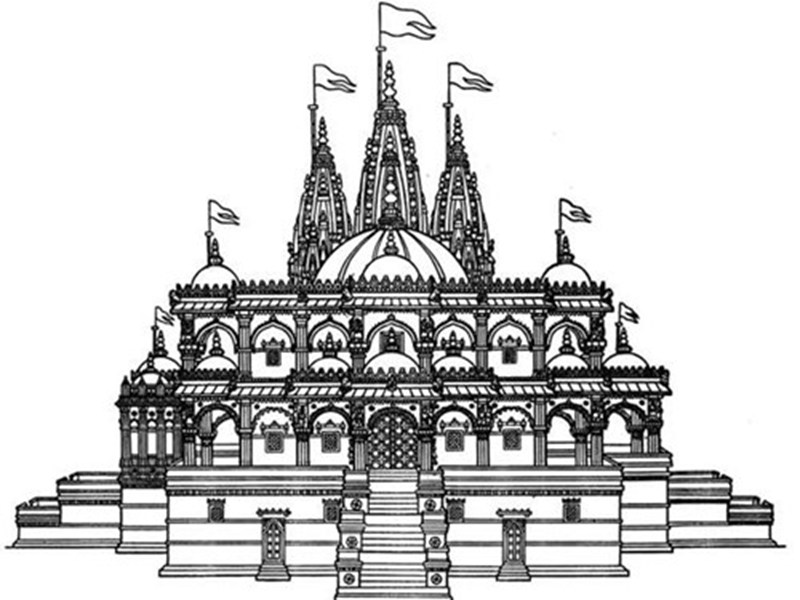
Gadhada
Lord Swaminarayan stayed in Gadhada for 25 years. He made Gadhada the centre of the sampraday whilst He was on earth. It was the deep love and affection of Dadakhachar and his four sisters Jaya (Jivuba), Lalita (Laduba), Panchali and Nanu (Ramabai) that attracted Lord to spend most of His life in Gadhada.
By the request of Dadakhachar and his sisters, Lord constructed a grand temple under His personal supervision and with the assistance of Viraktanand Swami. The image and murti of Gopinathji Maharaj installed at Gadhada is in the same proportions as the Lord Himself. Narayanji Suthar was the sculptor of the murti of Gopinathji Maharaj. Lord Swaminarayan had given him divine vision so that he may see Lord for His measurements even when He was many miles away.
Lord Himself installed the murtis at the temples that He constructed.
Temples are a necessity in the life of a satsangi.